



Overseeding rejuvenates tired lawns by introducing fresh grass into existing turf, improving color, texture, and resilience without full renovation. We time applications for late summer/early fall when cool air meets warm soil, ensuring 70-90% germination rates for thicker results come spring.
Why Overseed Your Lawn?
Thin lawns from shade, traffic, or age lose their ability to crowd out weeds and recover from stress. Overseeding delivers:
Increased density that naturally suppresses dandelions and crabgrass
Better drought tolerance through deeper, more vigorous roots
Improved color and uniformity across sun/shade areas
Enhanced disease resistance from diverse grass genetics
Long-term turf health without chemicals or rebuilds
Ideal for yards showing bare spots, slow growth, or weed pressure.
Best Time in Minnesota
Primary Window: Late summer to fall (soil 55-70°F)
Cool nights prevent seedling heat stress
Warm days speed germination
Winter hardiness builds before frost
Secondary: Early spring for quick green-up, though weed competition rises.
Avoid summer heat or late fall freezes.
What is overseeding?
Overseeding is how we help fill in thin or patchy areas by spreading grass seed over your existing lawn. It’s a simple way to thicken things up, improve color, and naturally crowd out weeds.
When is the best time to overseed?
Late August until freeze up is the sweet spot, when the soil is warm, and conditions support strong growth. Spring to the end of June is also a good option if your lawn needs a boost.
How can I tell if my yard needs to be overseeded?
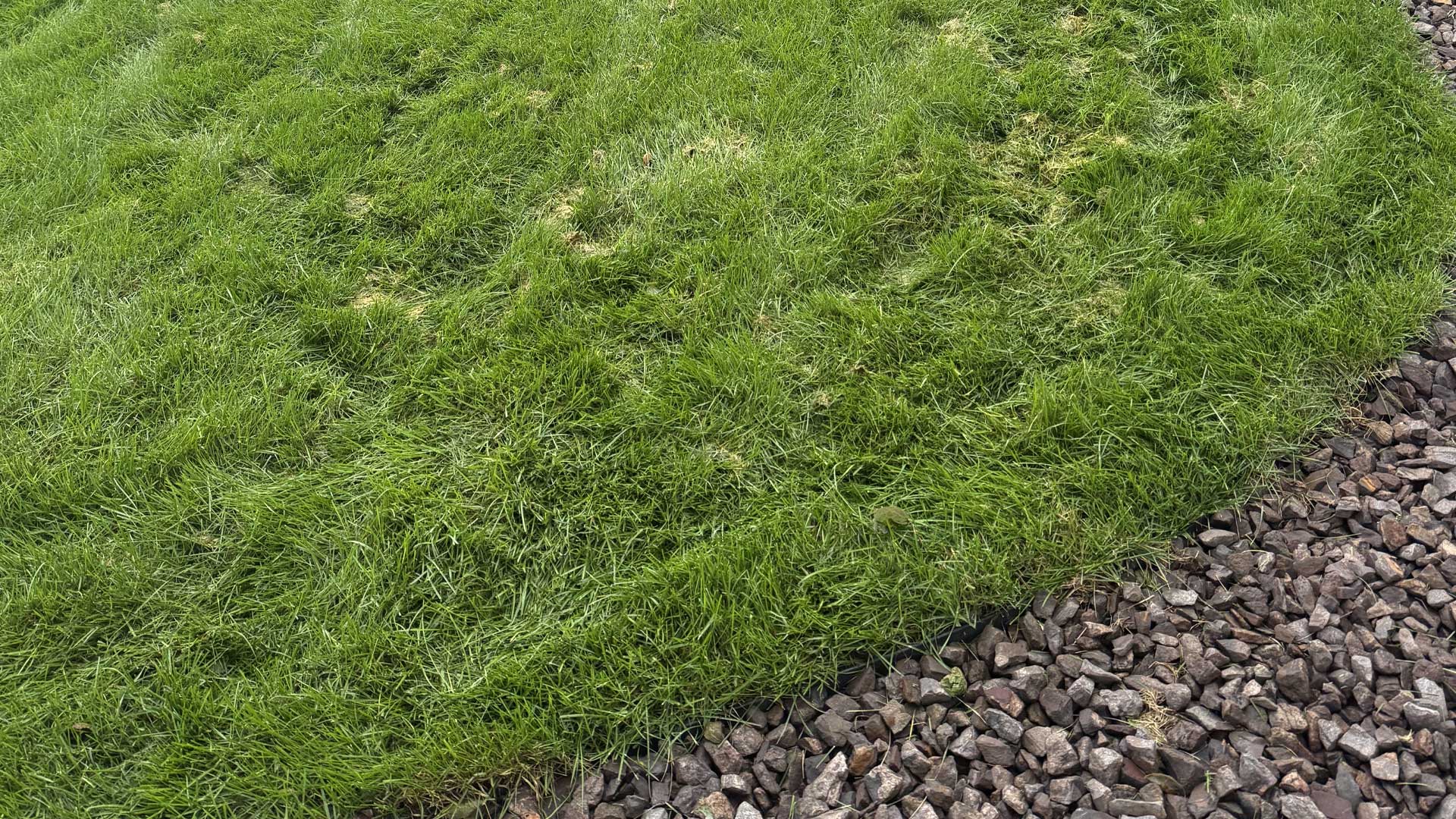
If your lawn looks thin, has bare spots, or weeds are starting to take over, it’s likely time to overseed. A fuller lawn not only looks better, but it also helps protect against future issues.
Do I need to prep my lawn?
Yes, and we make that easy. Aeration is the best first step because it opens up the soil and gives the seed a place to settle in and grow.
How much water do the seeds need?
For the first few weeks, consistency is key. Keep the soil lightly moist with short, frequent watering (usually about 10–15 minutes) each morning. We’re happy to help you dial in a schedule that fits your yard.
How long does it take to see results?
Most seeds begin to sprout within 7 to 21 days, depending on the variety and soil conditions. Once it starts, you’ll see your lawn gradually fill in and thicken.
How often should I overseed my lawn?
Every 1 to 3 years is typical, depending on your lawn’s condition. Lawns with heavy use or visible thinning may benefit from yearly overseeding to keep things looking full and healthy.
Overseeding leads to a more full, thick lawn for you to enjoy.
This video visually demonstrates dramatic density improvements over 4-6 weeks, highlighting proper technique to avoid common pitfalls like poor seed contact.
Ready to Thicken Your Lawn?
Use the form below to schedule aeration + overseeding. Note yard size, problem areas, and sun exposure—we’ll quote your best blend and timing for fall success. Transform thin turf to envy-of-the-neighborhood green.
Overseeding Gallery

Spring Is Coming Fast — Is Your Lawn Ready, Northern Minnesota?
After a long Minnesota winter, the first warm days of spring bring a familiar itch to get outside — and a clear sign that lawn and